Serving London, Ontario
and surrounding areas


-
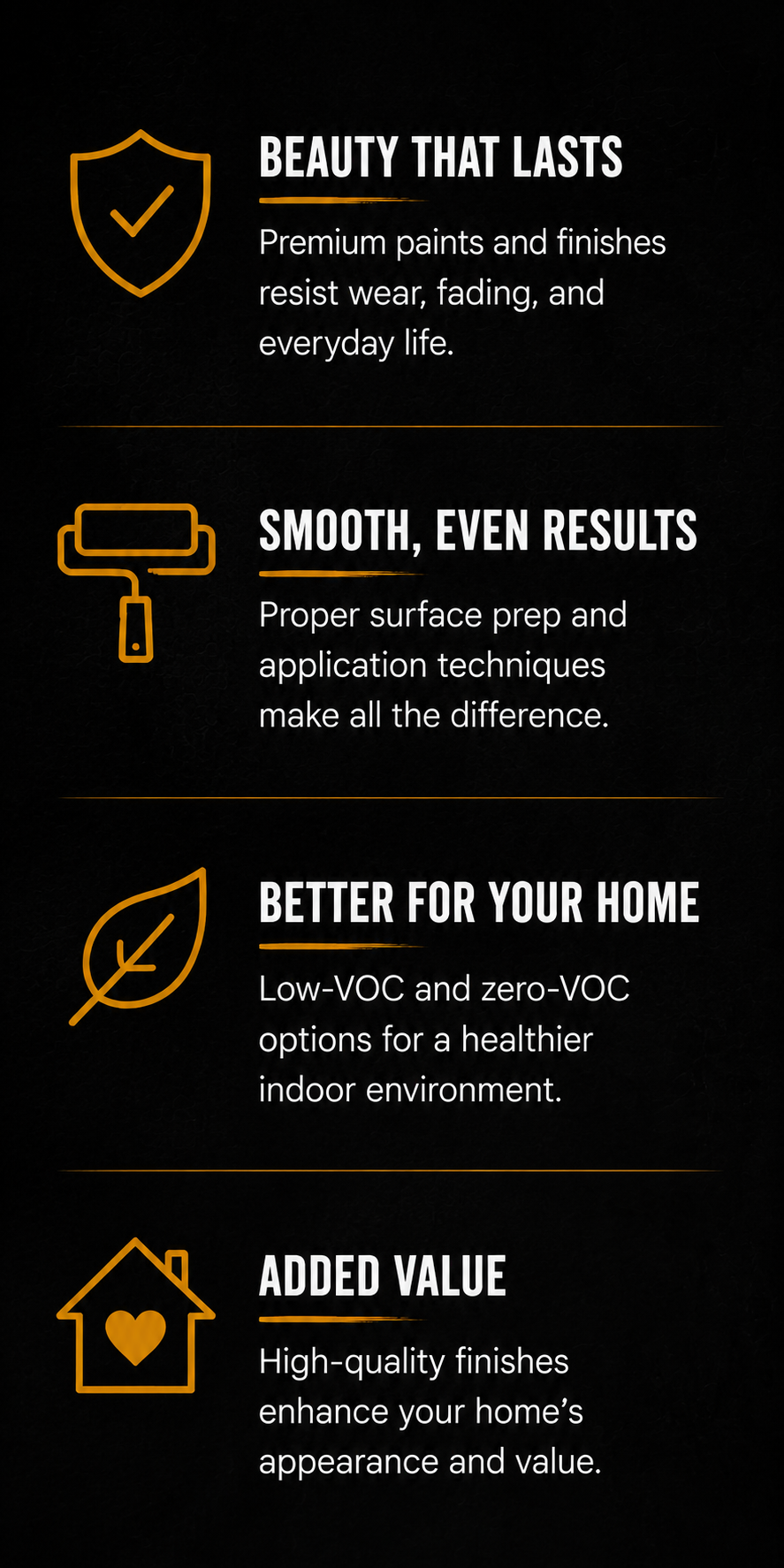
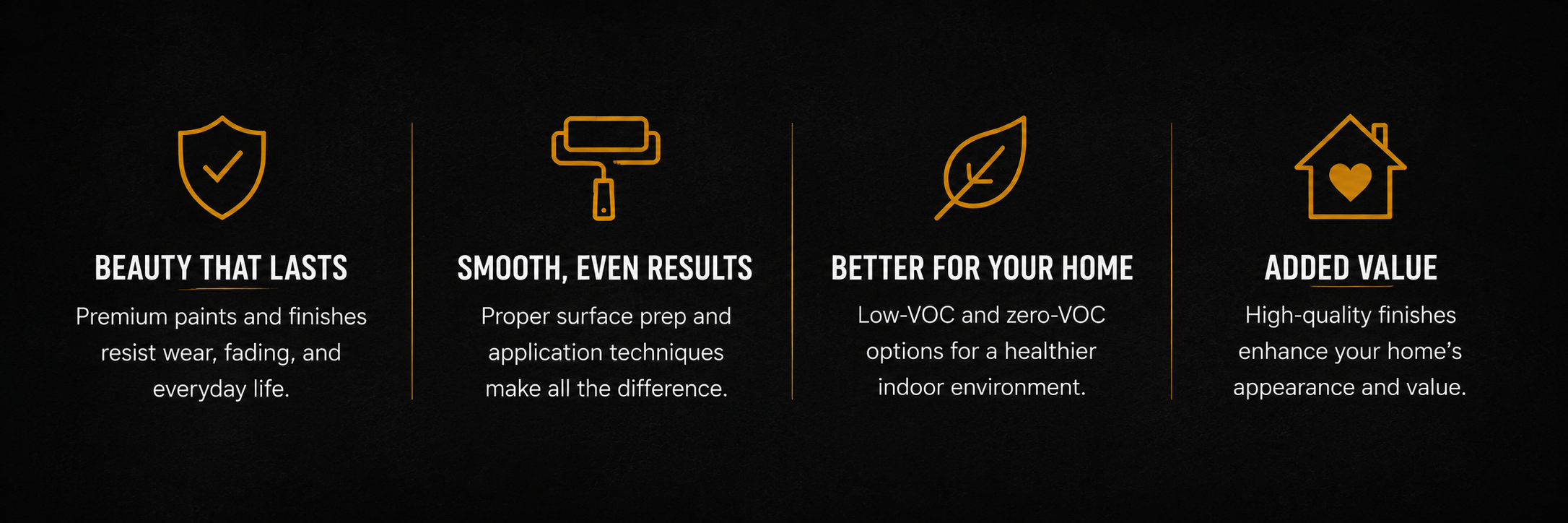
Unfortunately, painting is one of the trades where fly-by-night operators are common. Because the equipment required is minimal, almost anyone can advertise themselves as a painter. The difference often isn't the paint—it's the preparation, materials, experience, insurance, and attention to detail behind the finished product.
-
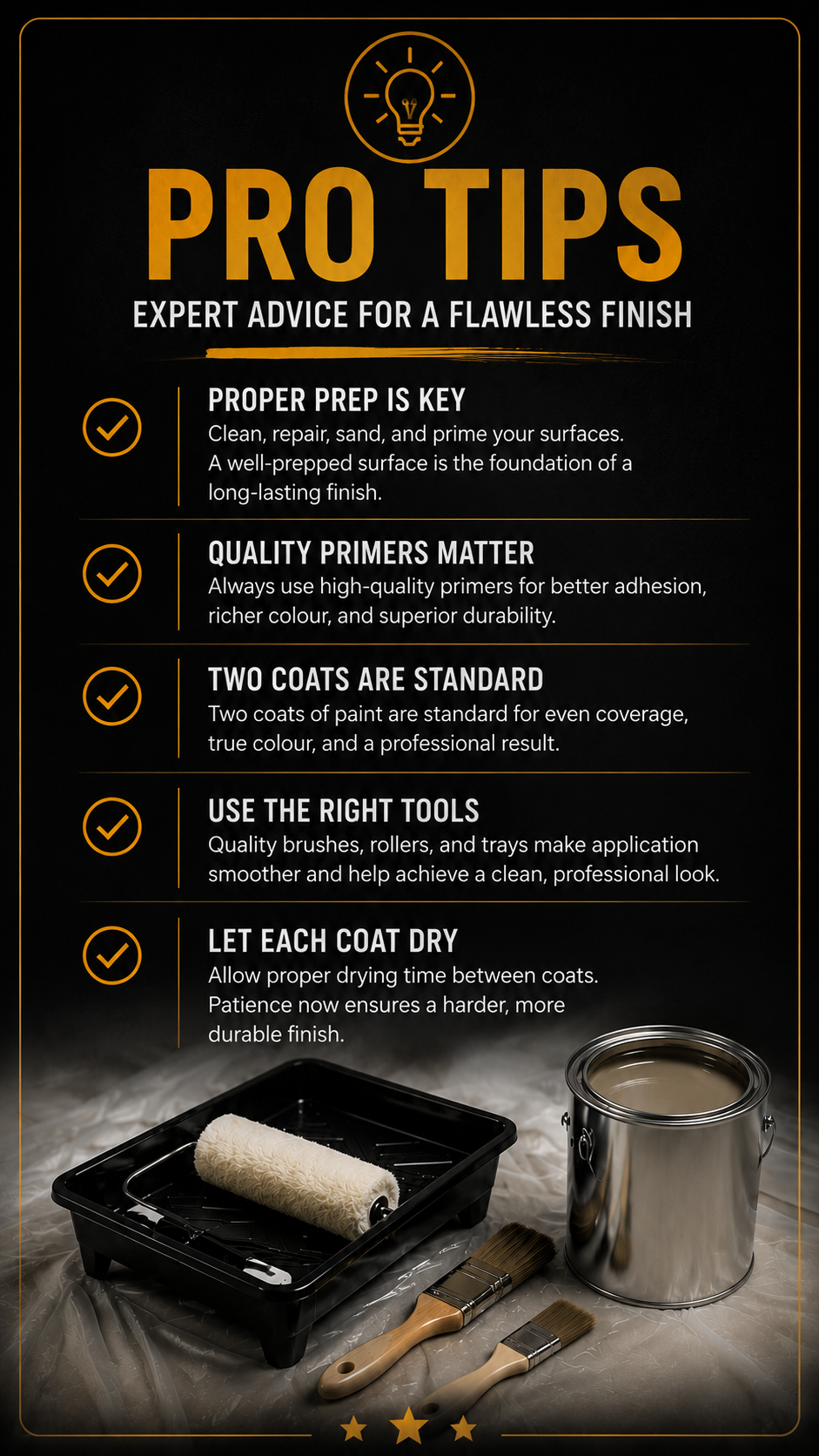
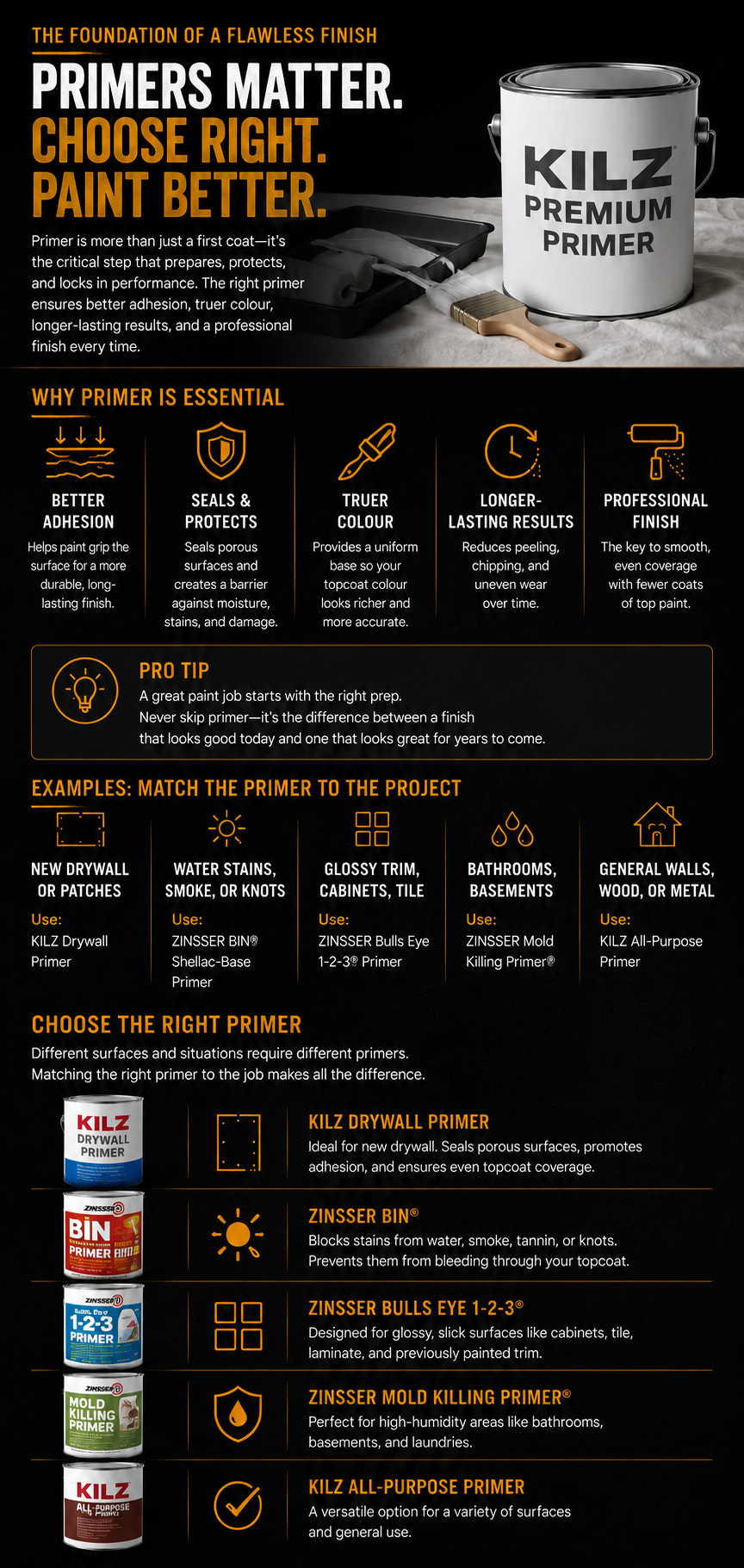
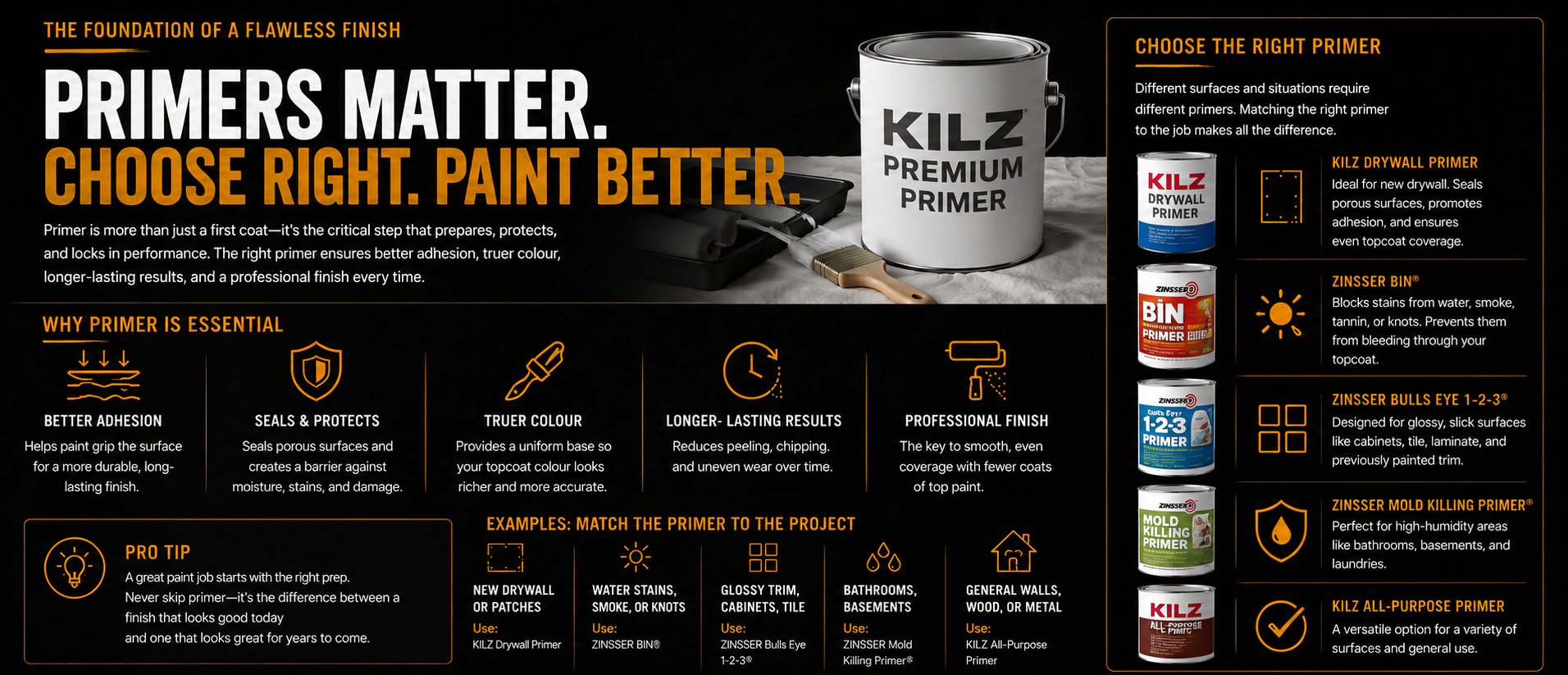
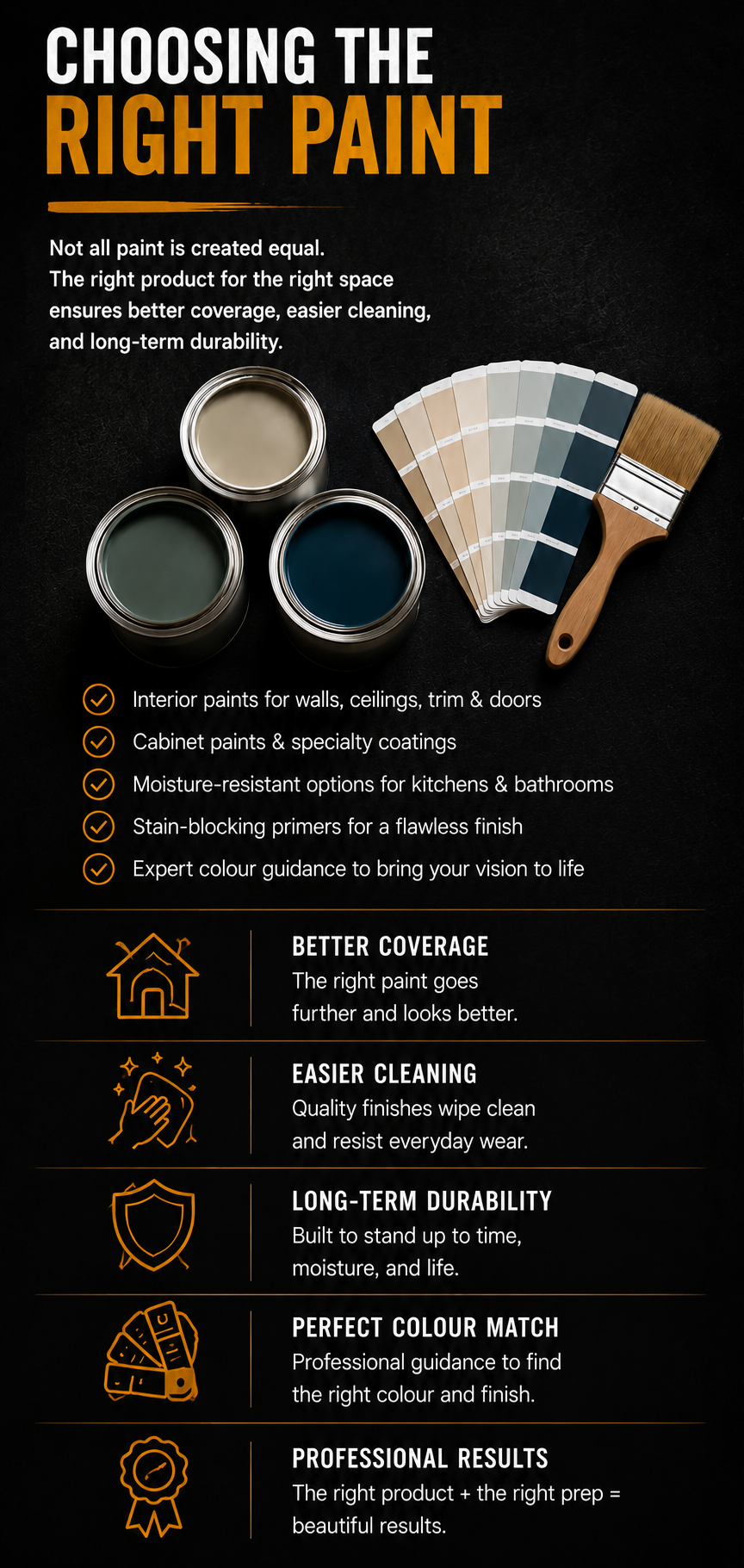
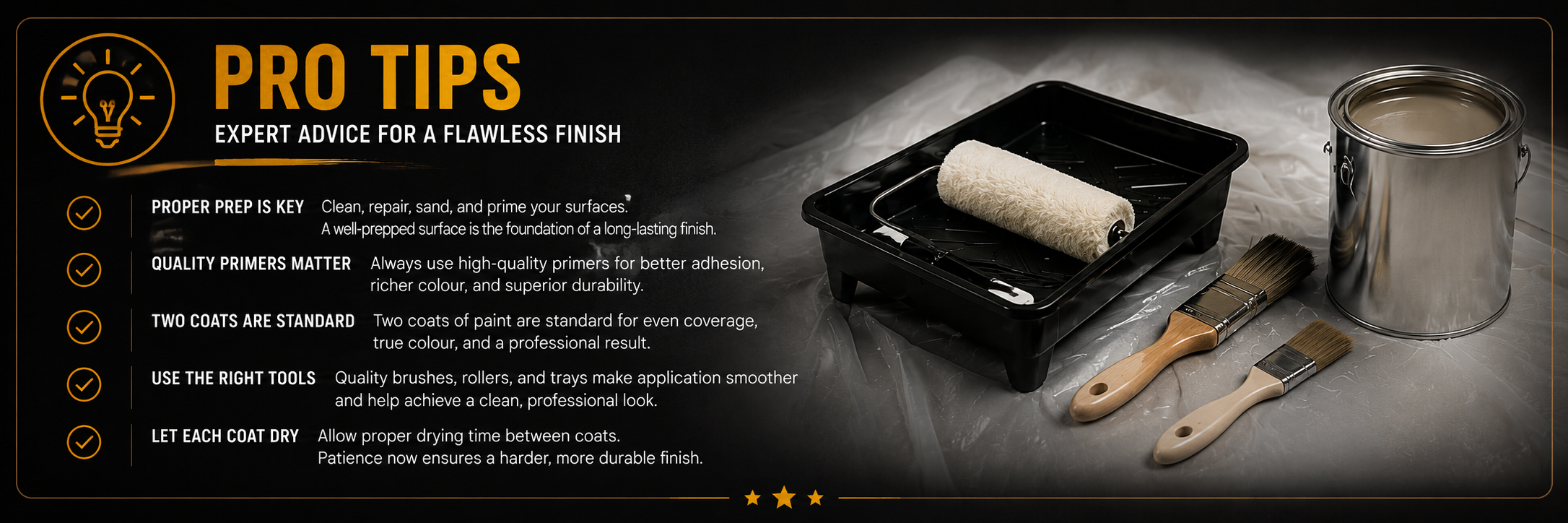
Not always, but primer is essential in many situations. New drywall, patched areas, stained surfaces, bare wood, glossy finishes, and dramatic color changes all benefit from the right primer. Using the correct primer improves adhesion, color consistency, and durability.
-
Two finish coats are considered the professional standard for most projects. They provide better color uniformity, improved durability, and a more consistent appearance than a single coat.
-
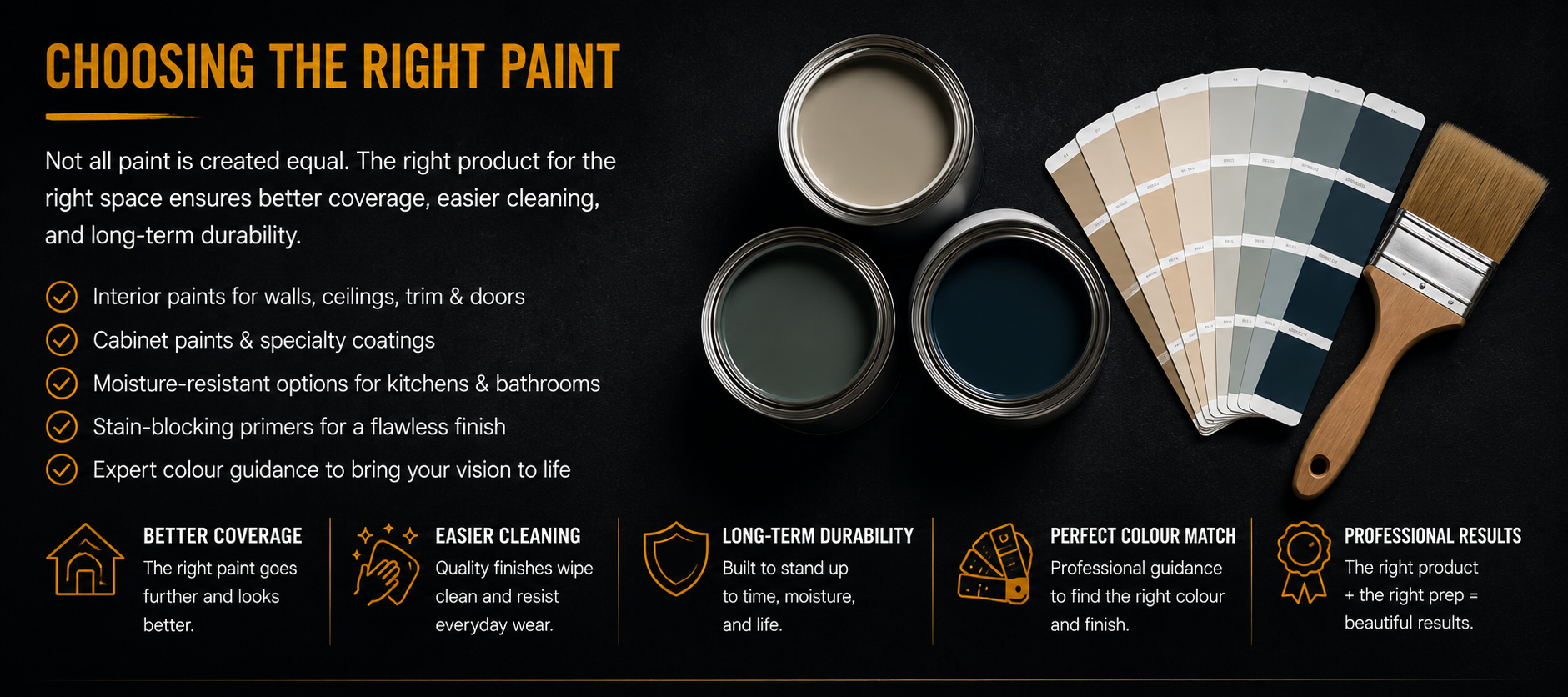
Premium paints generally contain higher-quality pigments, resins, and additives. They usually offer better coverage, improved washability, greater colour retention, and longer service life, often reducing maintenance and repainting over time.
-
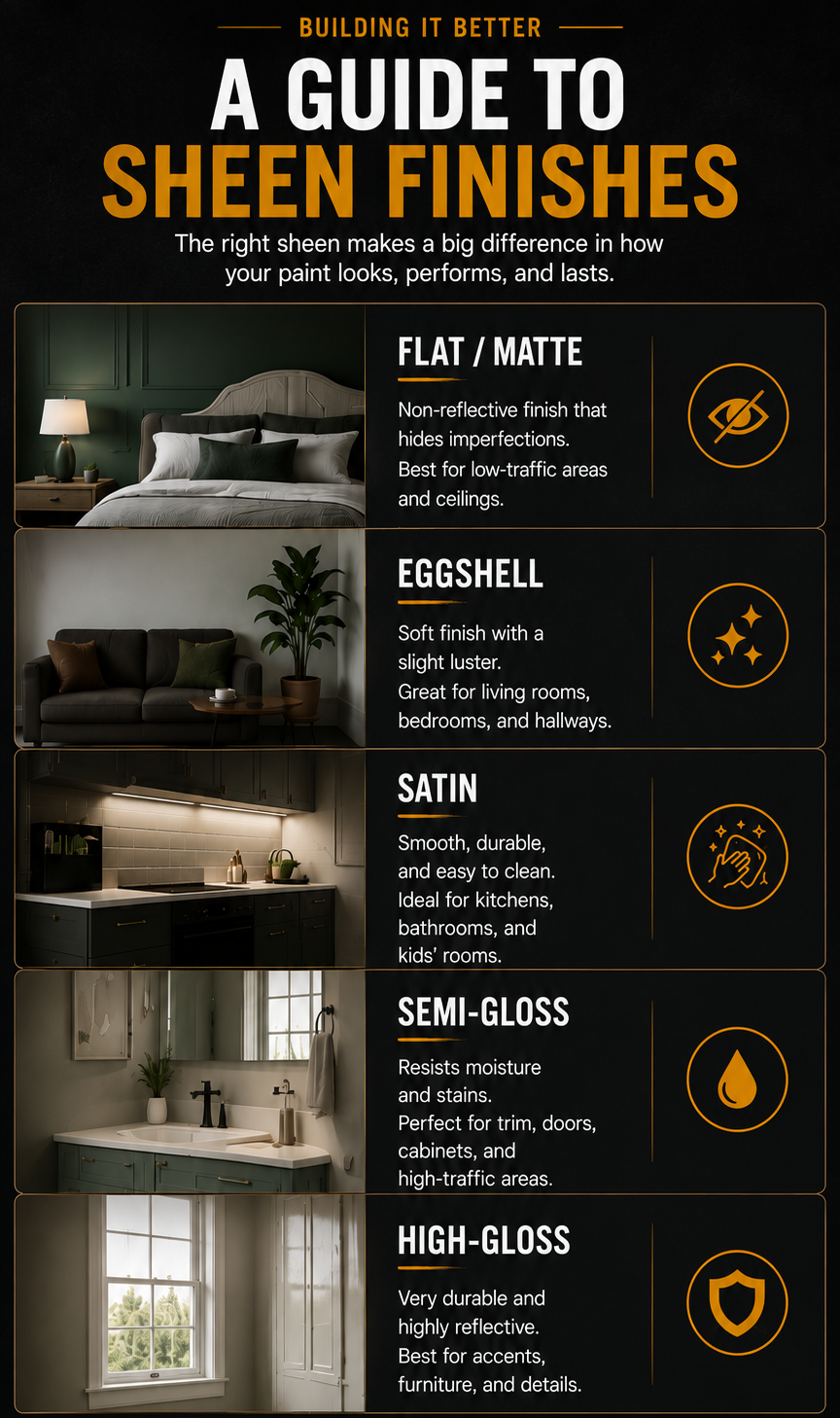
The best sheen depends on the room and how it's used. Matte finishes hide imperfections well, eggshell is popular for living rooms and bedrooms, satin is an excellent choice for kitchens and many bathrooms, while semi-gloss is commonly used on trim, doors, cabinets, and other high-wear surfaces because it's more durable and easier to clean.
For bathrooms, we generally do not recommend flat or eggshell finishes on the walls. Their lower sheen makes them more porous, allowing moisture to be absorbed into the paint film. As the moisture evaporates, it can leave visible water marks and may contribute to premature wear or mildew over time.
Bathroom ceilings, especially in homes with poor ventilation or frequent hot showers, often benefit from a higher-sheen finish such as satin or pearl. These finishes resist moisture better, are easier to wipe clean, and stand up to repeated humidity much better than flat ceiling paint.
-
Surface preparation is one of the biggest factors in achieving a professional finish. Cleaning, repairing damage, sanding, caulking, and priming help paint bond properly and create smoother, longer-lasting results.
-
Not completely. While lower-sheen finishes such as flat or eggshell can help reduce the appearance of minor imperfections, they are not the best solution. Paint will not hide dents, poorly finished drywall joints, nail pops, cracks, or uneven surfaces. The best-looking paint job starts with proper repairs and quality drywall finishing. A smooth, well-prepared surface allows you to choose the sheen that best suits the room—not one that's simply hiding imperfections.
-
With quality materials, proper preparation, and correct application, interior paint can often look great for 7–15 years, depending on the room and the amount of wear it receives. High-traffic areas like hallways and children's rooms may require repainting sooner than bedrooms or formal living spaces.