Serving London, Ontario
and surrounding areas

-
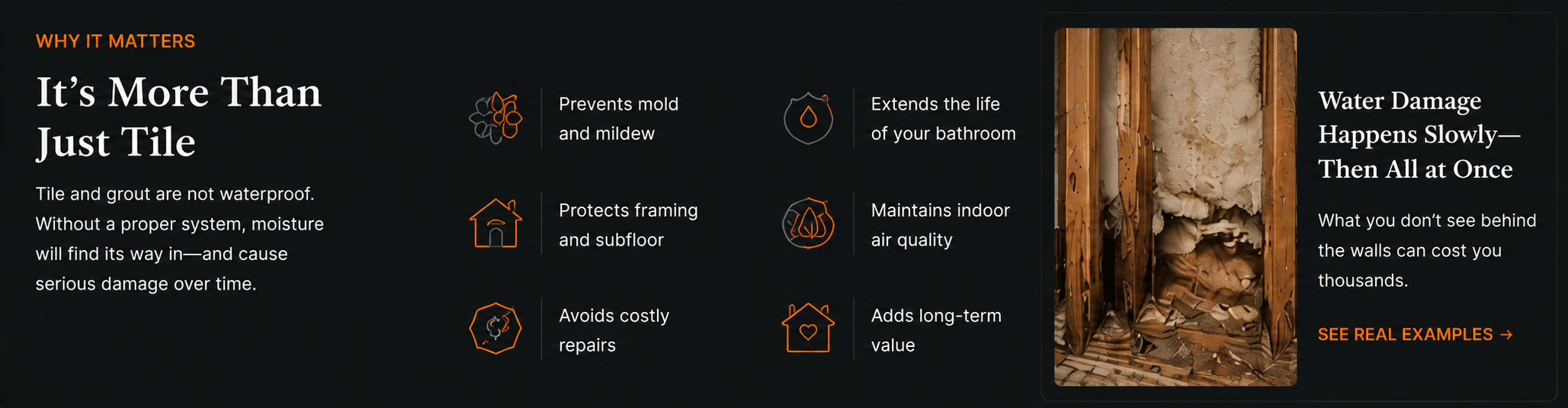
No. Most tile and grout are not waterproof. Porcelain tile is highly water-resistant, while many natural stone tiles are porous and can absorb moisture unless properly sealed. Grout is also porous and allows moisture to pass through over time. That's why a properly built shower depends on a complete waterproofing system behind the tile and using the correct drywall everywhere else. The tile provides the finished surface—the waterproofing membrane is what protects your walls, framing, and home from water damage.
-
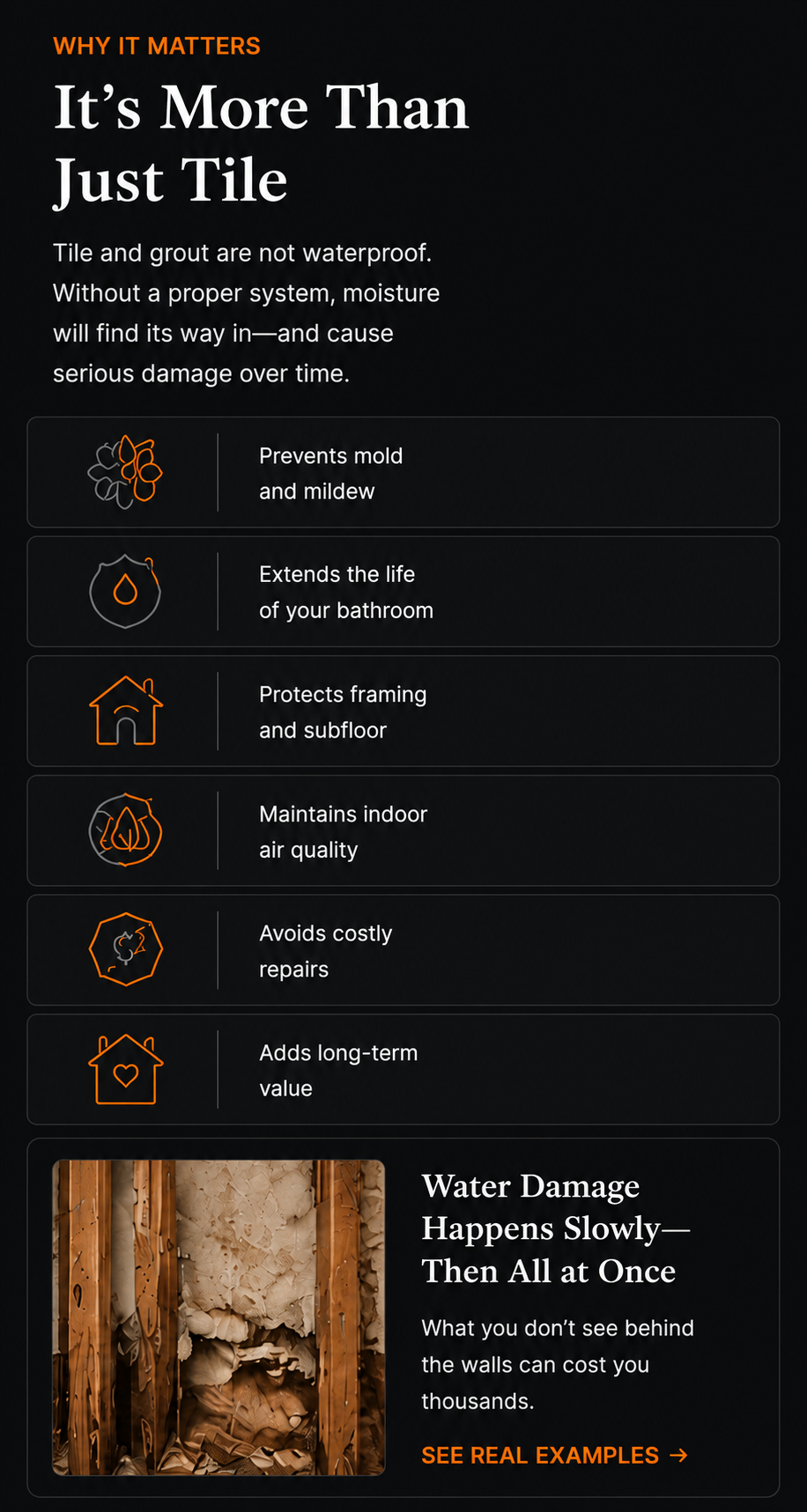
Yes—absolutely. Tile, grout, cement board, and mortar are not waterproof. Without a waterproofing membrane behind the tile, moisture can reach the wall cavity, leading to mold, wood rot, damaged insulation, and costly repairs. Modern building standards and industry best practices call for a complete waterproofing system in all wet areas, including showers, tub surrounds, niches, benches, and curbs. At Peckham Professional Contracting, we consider proper waterproofing an essential part of every shower—not an optional upgrade.
-
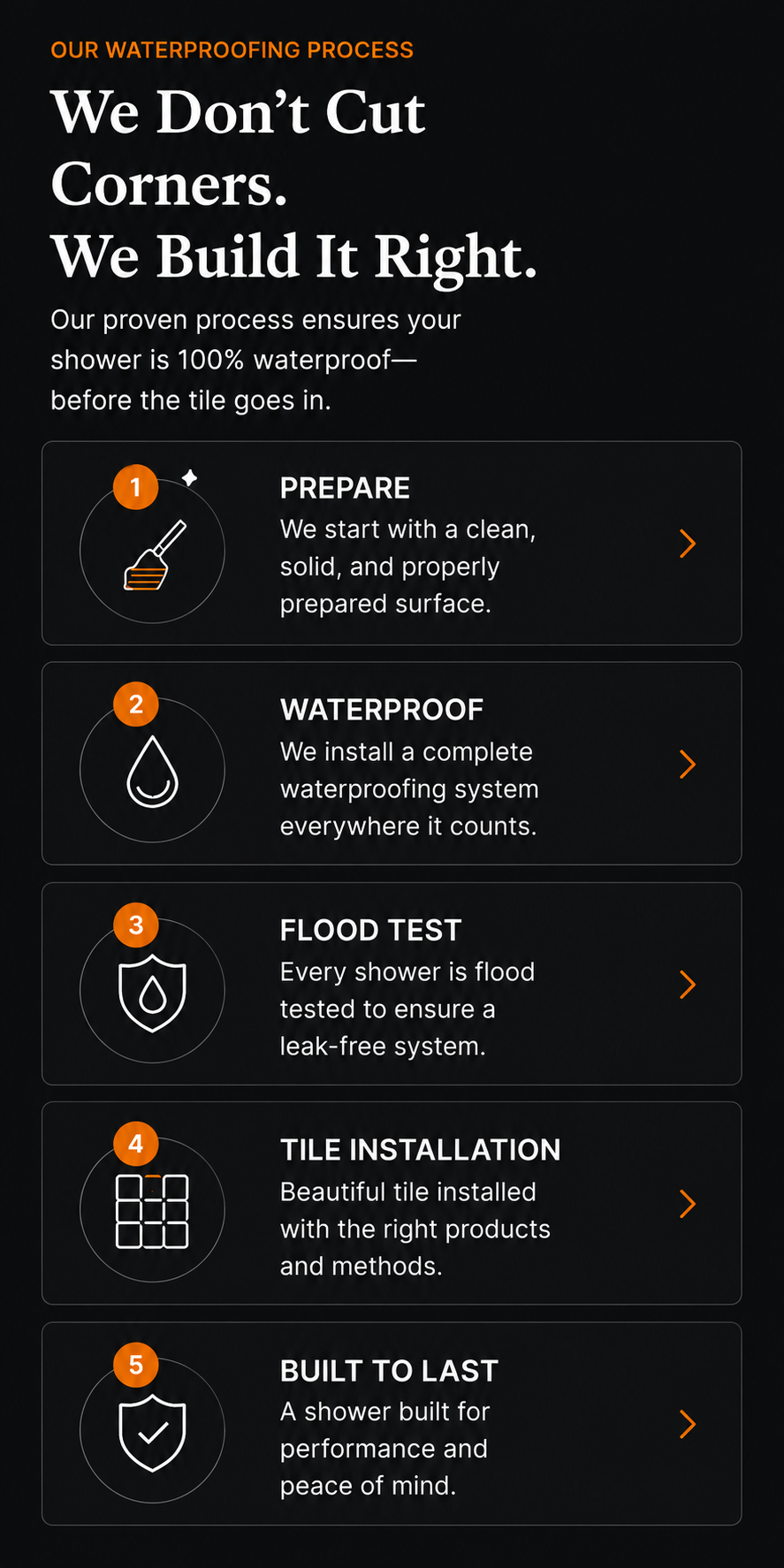
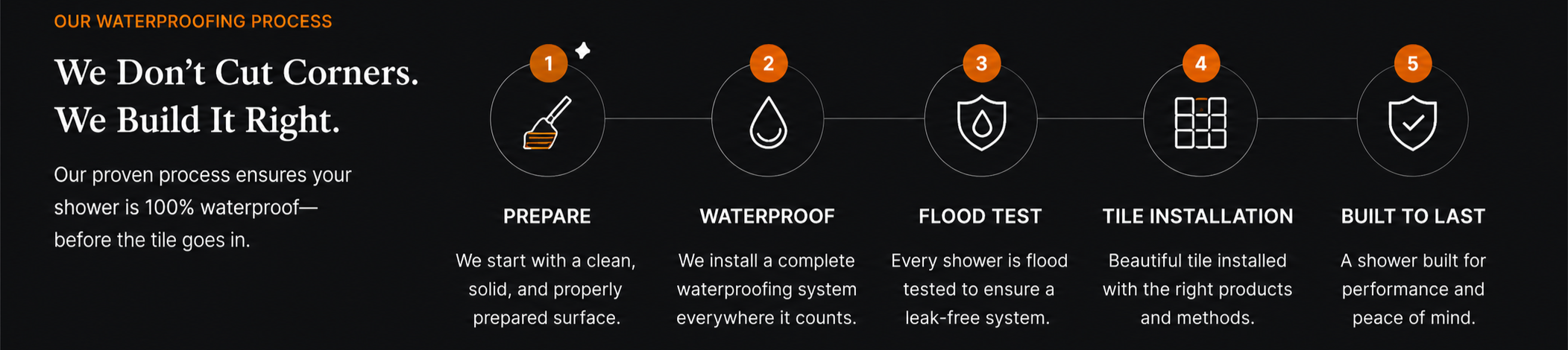
A flood test verifies that a shower's waterproofing system is completely watertight before any tile is installed. After the waterproof membrane is installed, the shower base is plugged and filled with water, then left for at least 24 hours. If the water level remains unchanged, the waterproofing has passed. If it drops, the leak can be found and repaired before tile covers the system. A flood test provides peace of mind that your shower is properly waterproofed and helps prevent costly leaks and hidden water damage in the future.
-
A properly installed waterproofing system should last for the life of the shower. Unlike caulking or grout, which require periodic maintenance, the waterproof membrane is designed to provide long-term protection behind the tile. Its lifespan depends on the quality of the materials, proper installation, and avoiding damage during future renovations. When installed correctly using a complete waterproofing system, it should continue protecting your home for decades.
-
Shower leaks can occur for many reasons, and the tile or grout isn't always the culprit. Common causes include failed caulking, cracked grout, plumbing leaks, poor drainage, movement in the structure, or a waterproofing system that was never installed—or has failed. In many older showers, water gradually works its way behind the tile and into the wall because there is no continuous waterproof membrane. Identifying the true source of the leak is essential before making repairs, as replacing grout or caulking alone often treats the symptom rather than the underlying problem.
-
Sometimes—but it's usually not the best solution. Some waterproofing and tile systems are designed to be installed over existing tile when the underlying structure is sound and the existing tile is firmly bonded. However, this approach doesn't allow hidden moisture damage, mold, or structural problems to be inspected or repaired. In most full bathroom renovations, we recommend removing the existing tile so a new waterproofing system can be installed from the framing out, ensuring the shower is properly protected for decades to come.
-
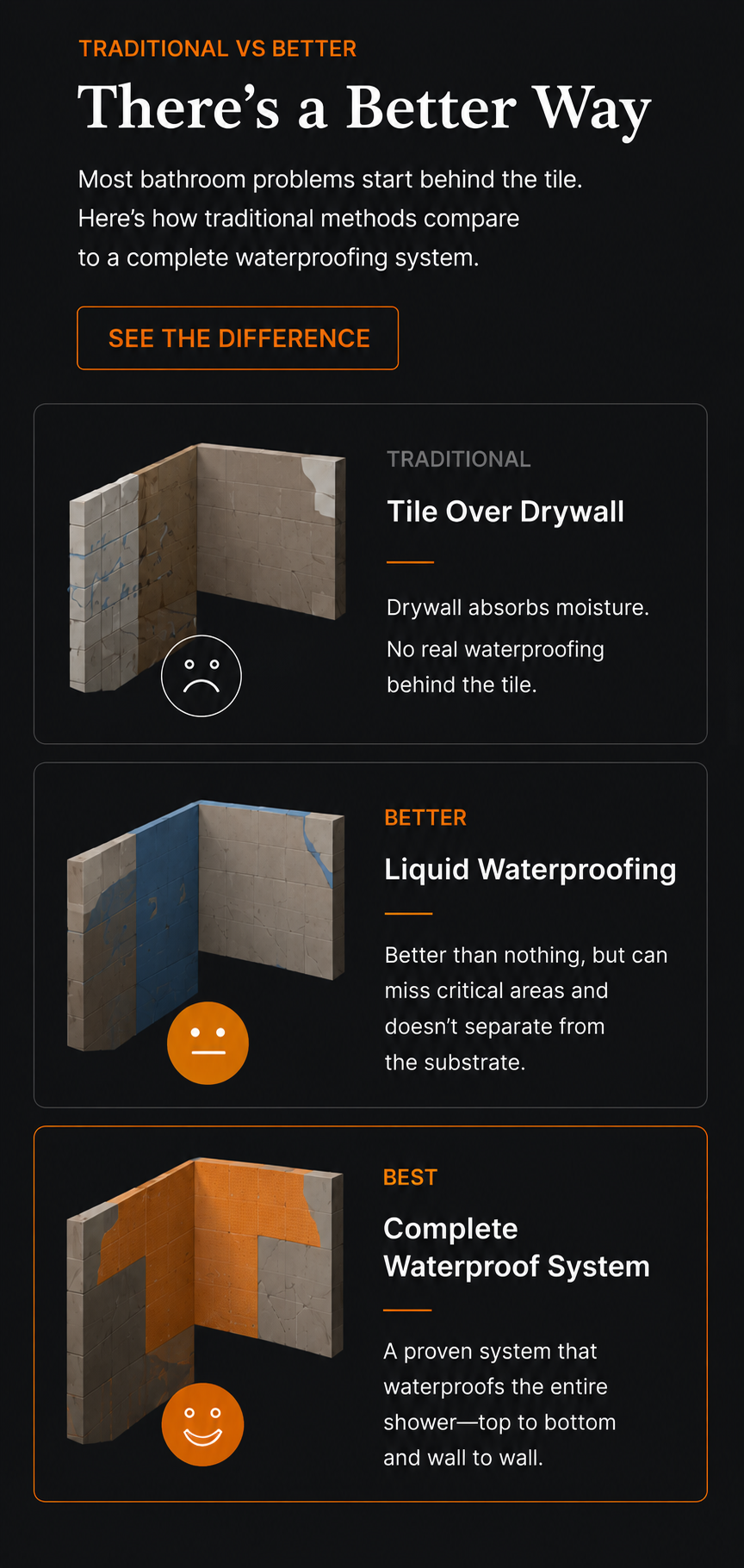
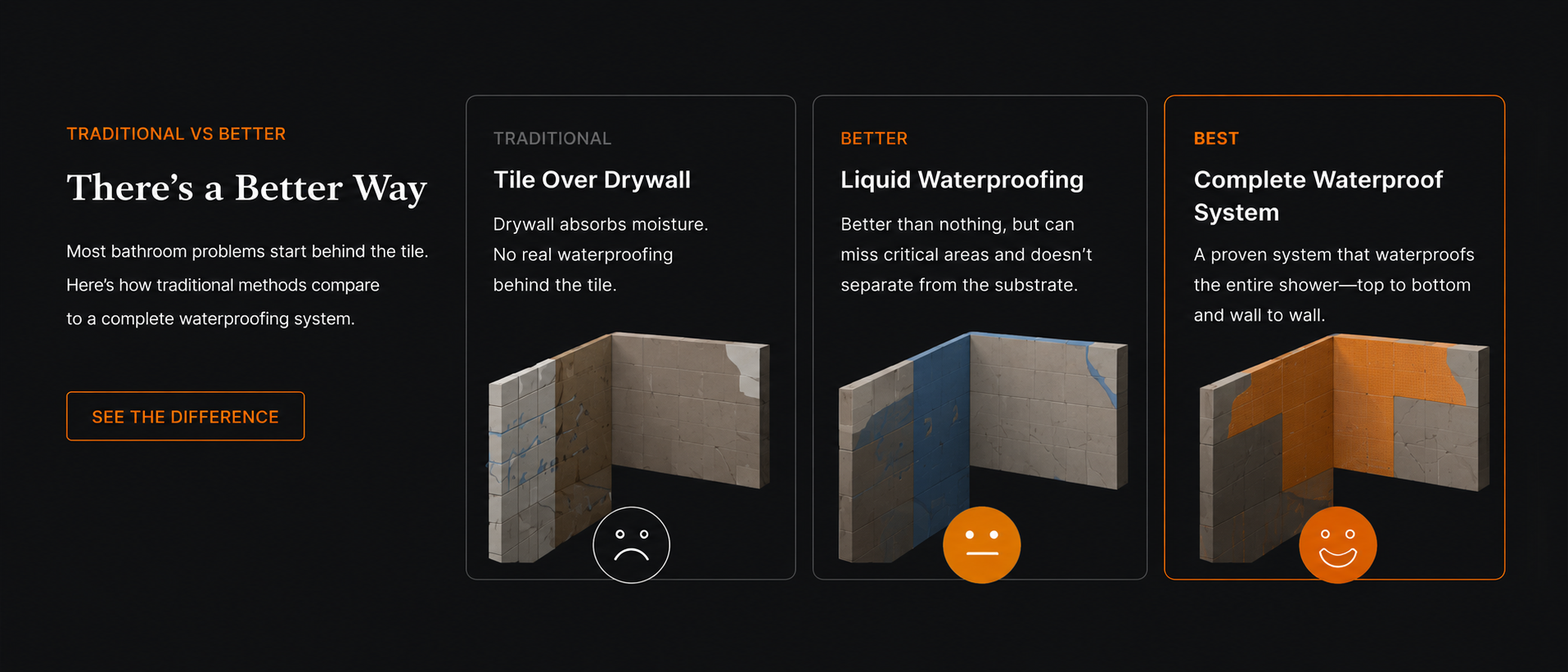
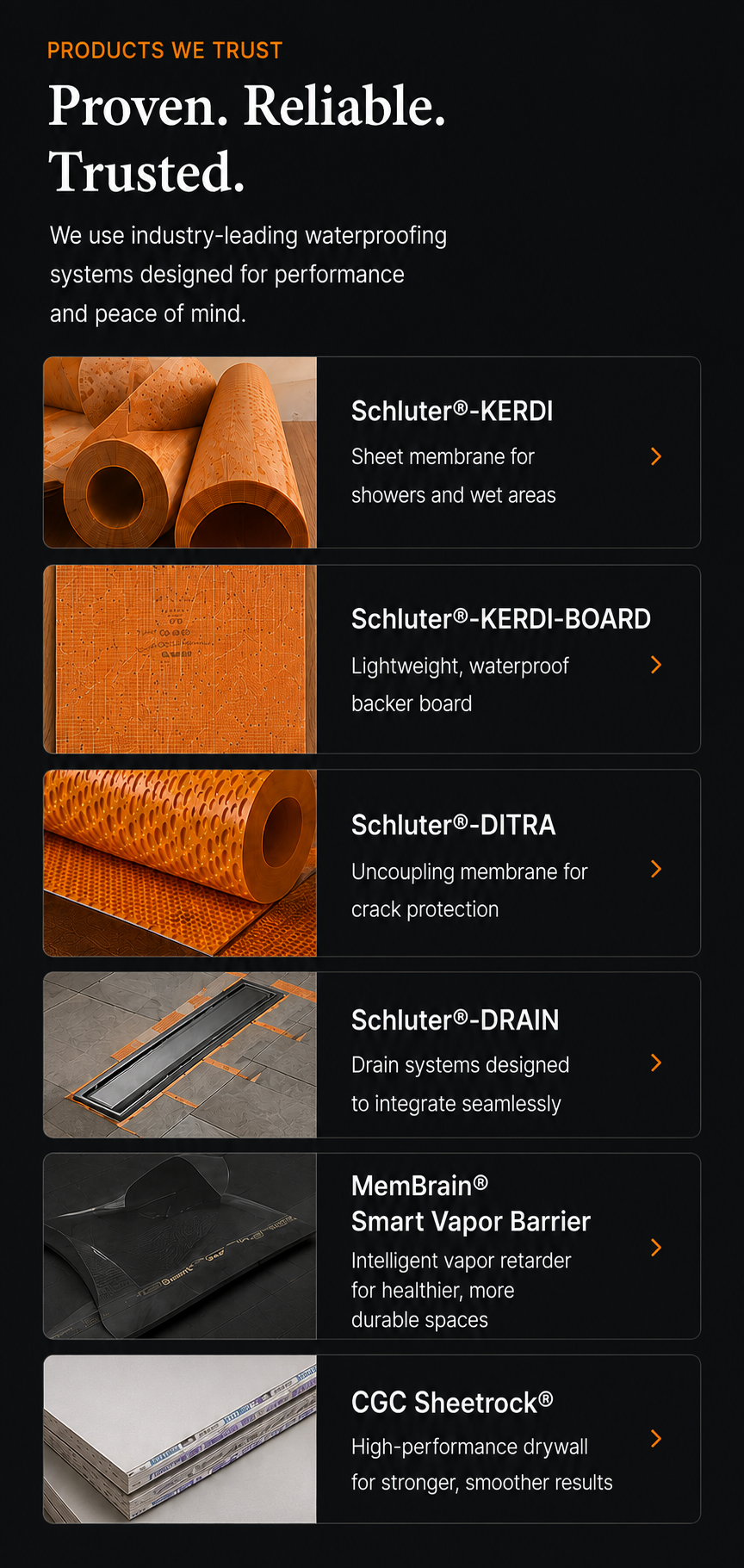
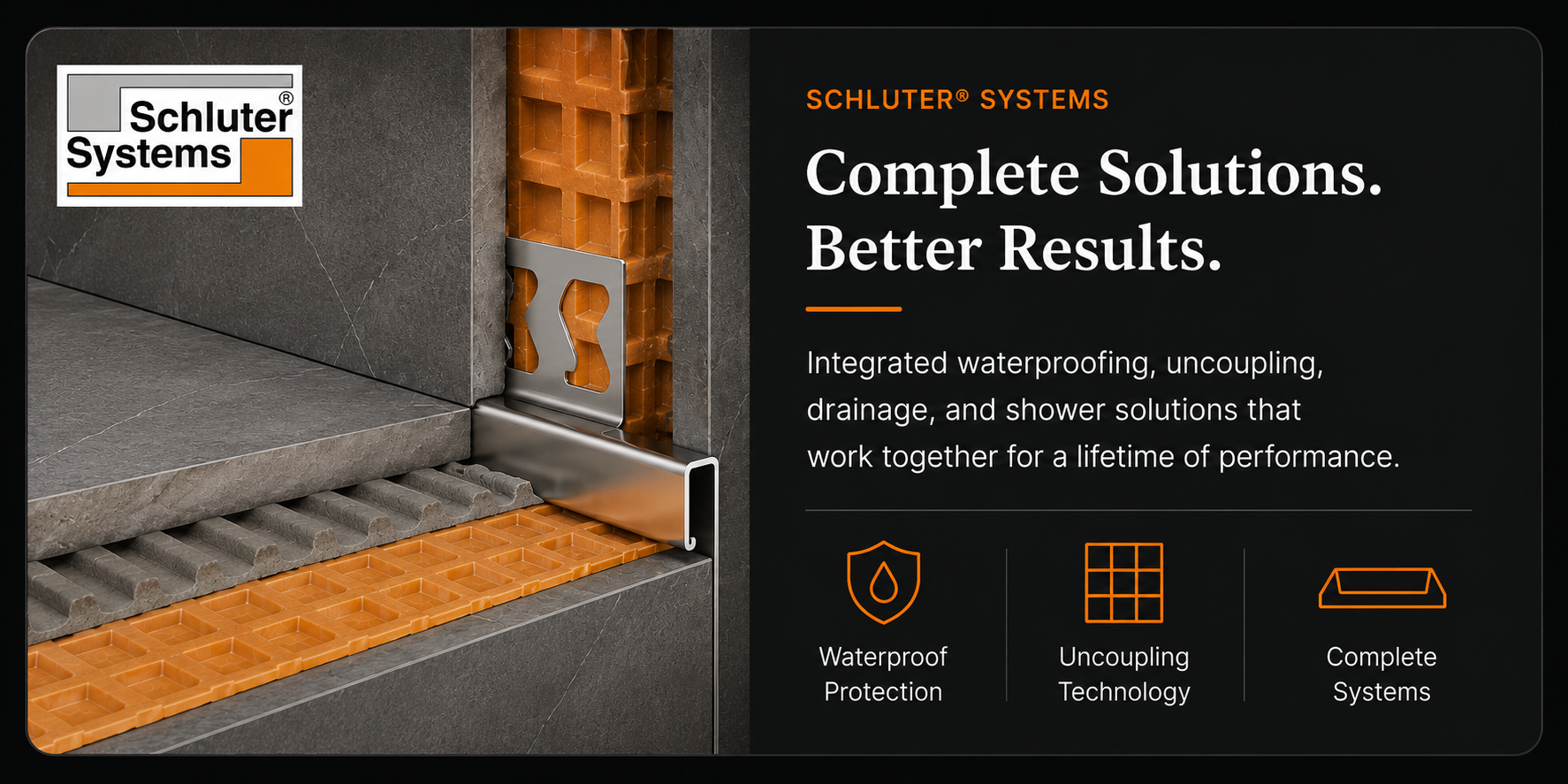
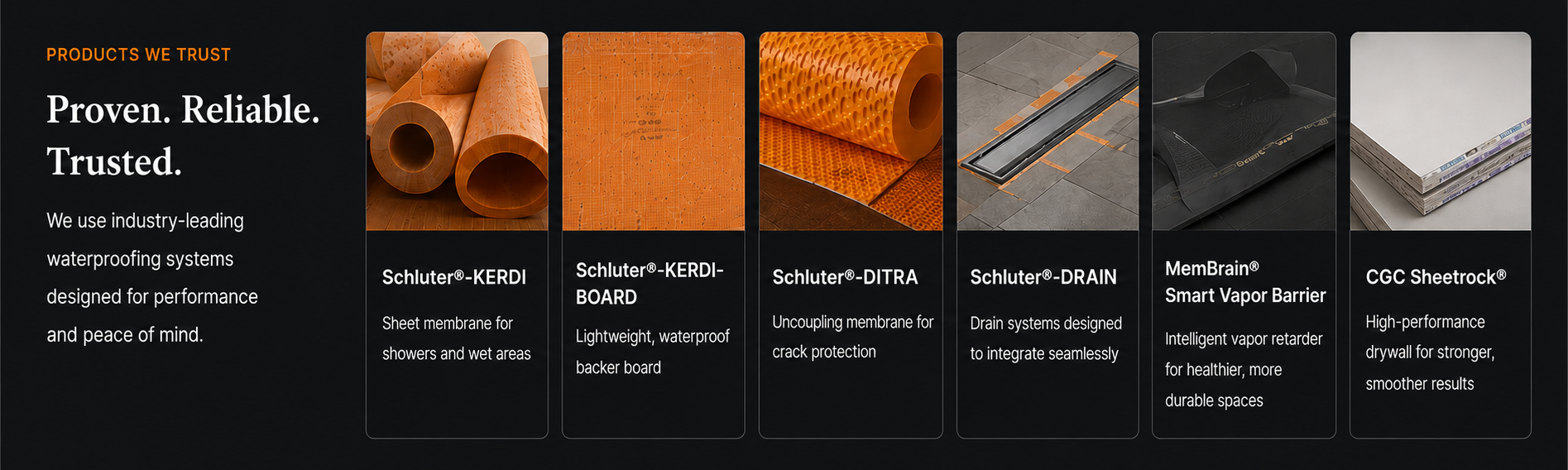
There isn't a single "best" waterproofing system—but there are definitely better approaches than others. At Peckham Professional Contracting, we prefer modern, integrated waterproofing systems that are designed to keep water from ever reaching the wall structure. While drywall and cement board have been used for decades, neither is waterproof on its own. Traditional methods often rely on materials that can absorb moisture or allow water to migrate into the wall assembly over time. Today's sheet membranes and complete waterproofing systems provide a continuous barrier that protects the framing, insulation, and subfloor before a single tile is installed.
Our philosophy is simple: traditional doesn't always mean better. We choose waterproofing systems based on proven performance, building science, and long-term durability—not simply because "that's the way it's always been done."
-
Waterproofing typically represents only a small portion of the total cost of a new shower, but it's one of the most important investments you can make. The exact cost depends on the size of the shower, the waterproofing system used, and features such as benches, niches, curbless entries, and multiple shower heads. While modern waterproofing systems cost more than traditional methods, they provide significantly better protection against leaks, mold, and hidden water damage. In our opinion, waterproofing is not the place to cut corners—repairing a failed shower is almost always far more expensive than building it properly the first time.