Serving London, On
and surrounding areas

-
Not always—but in most cases, yes.
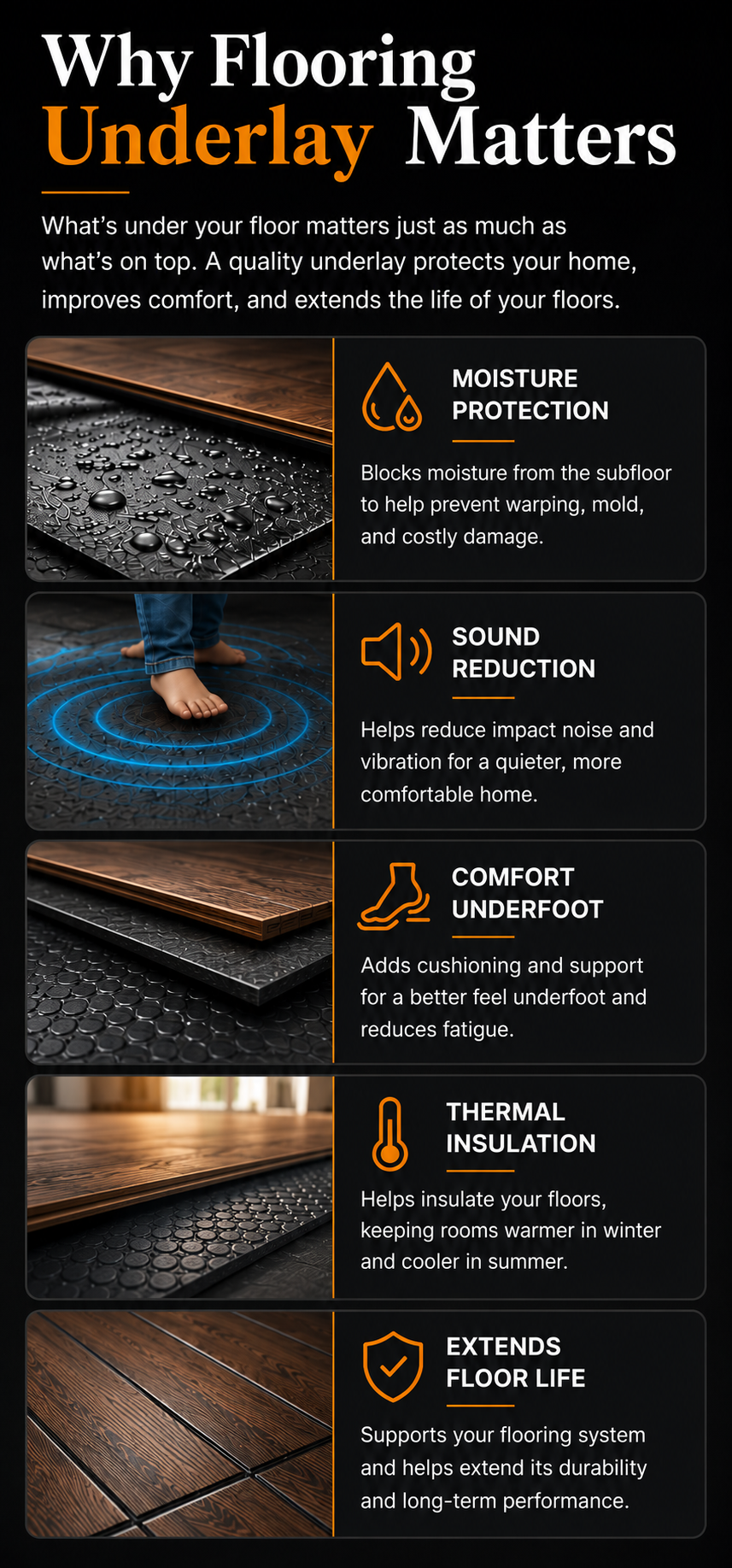
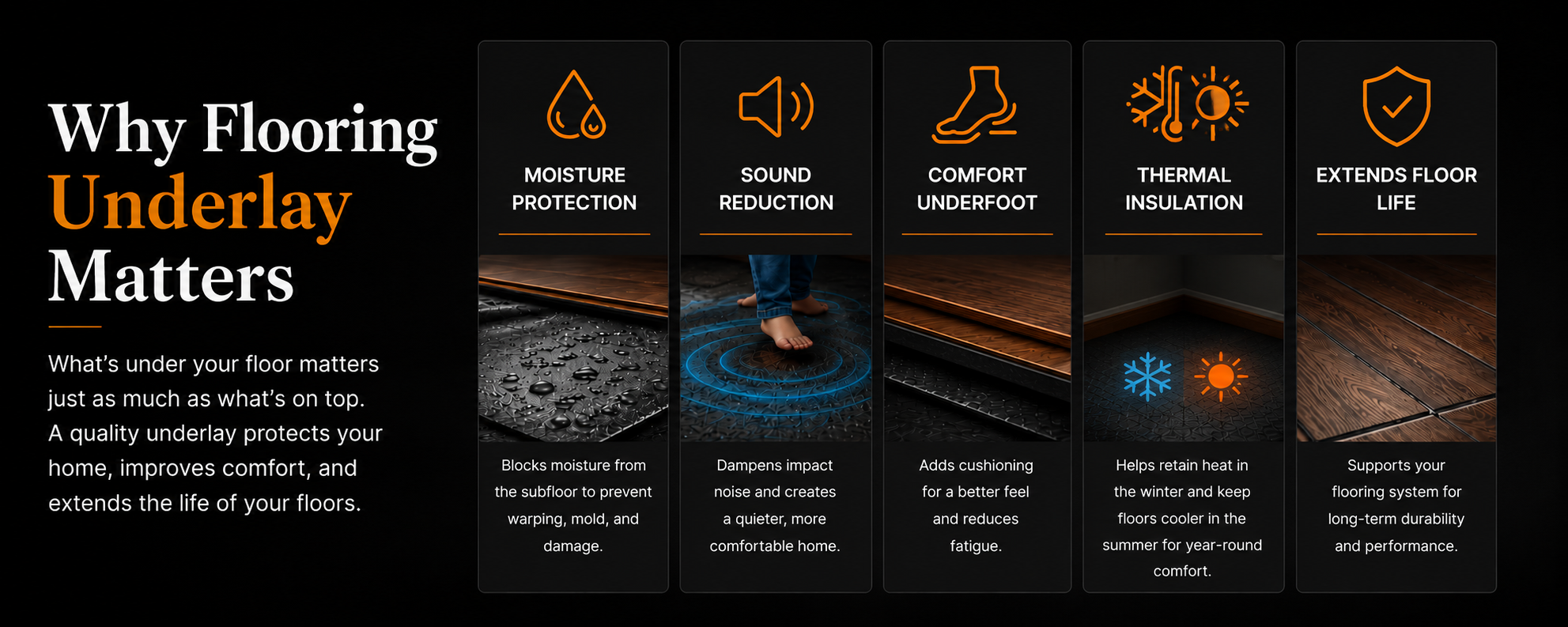
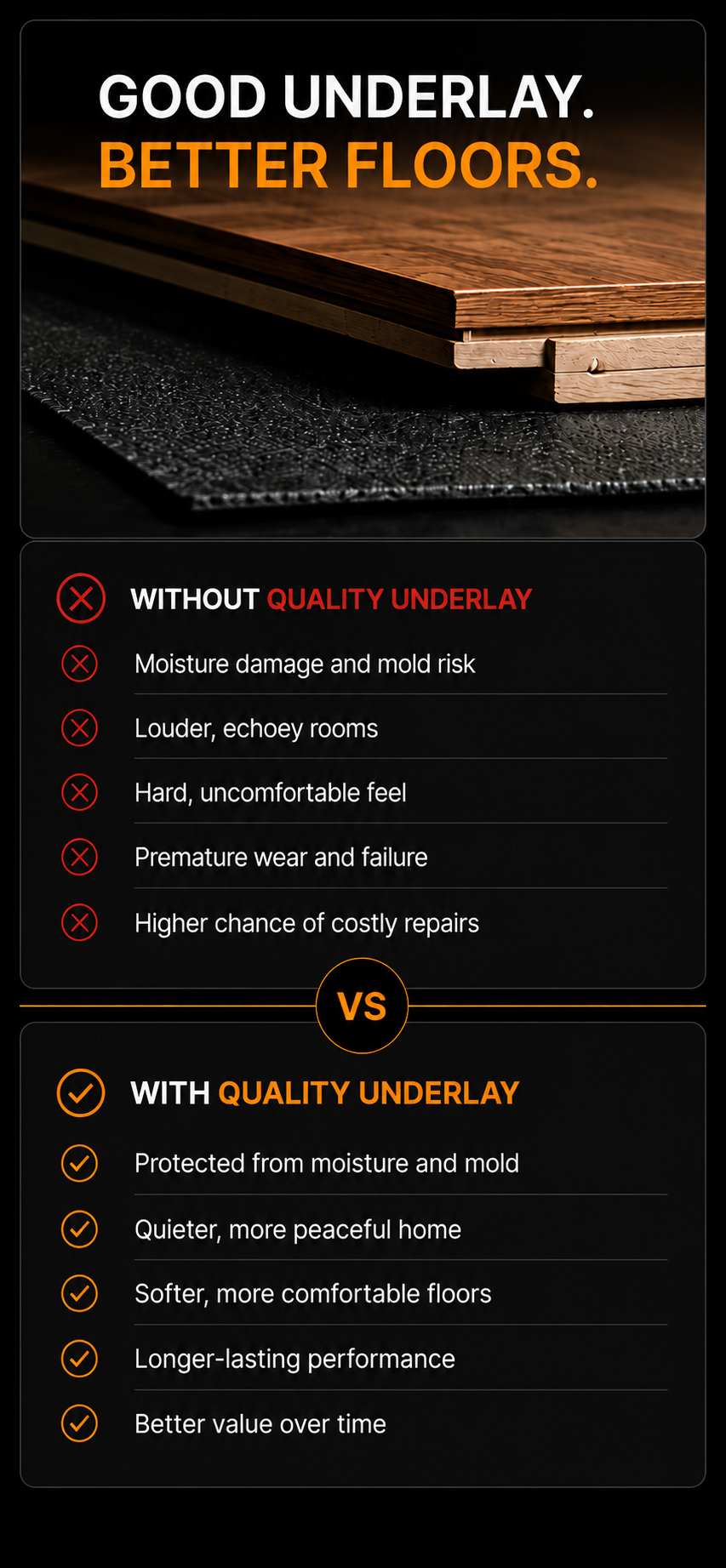
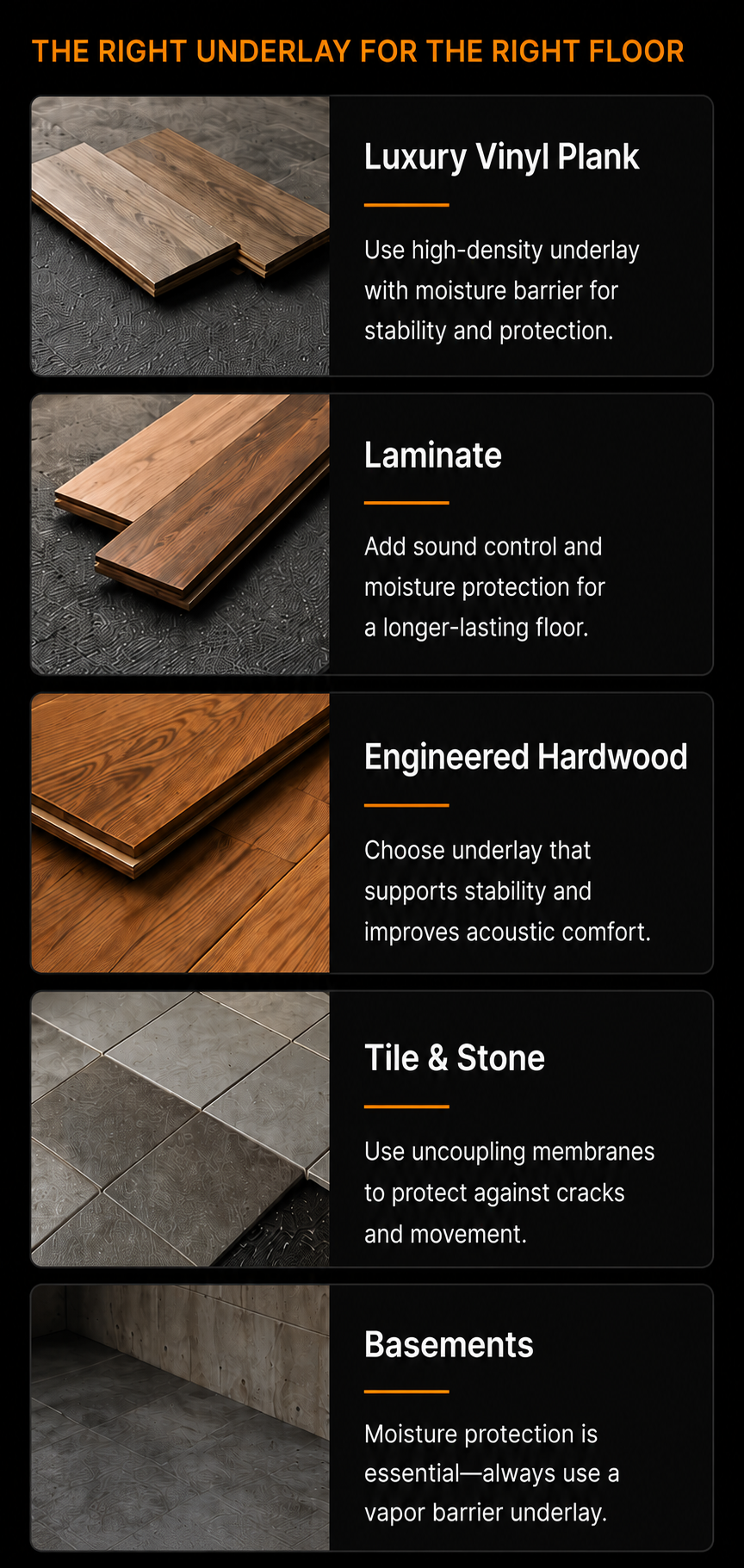
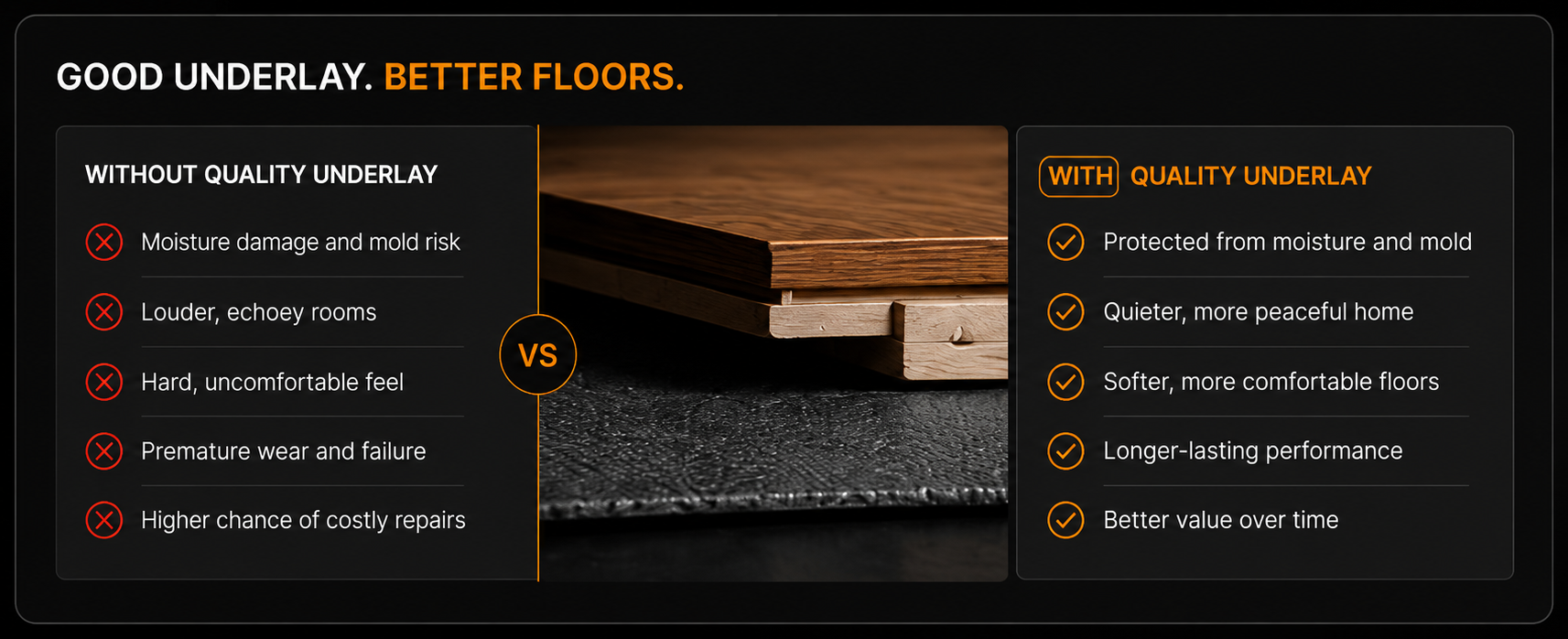
The correct underlay depends on both the flooring product and the subfloor beneath it. Many luxury vinyl plank, laminate, and engineered hardwood floors perform significantly better with the right underlay, improving comfort, reducing noise, and protecting against moisture.
Some flooring products include a factory-attached underlay, while others require a separate underlayment. Installing an additional layer when it's not recommended can actually void the manufacturer's warranty or cause installation problems.
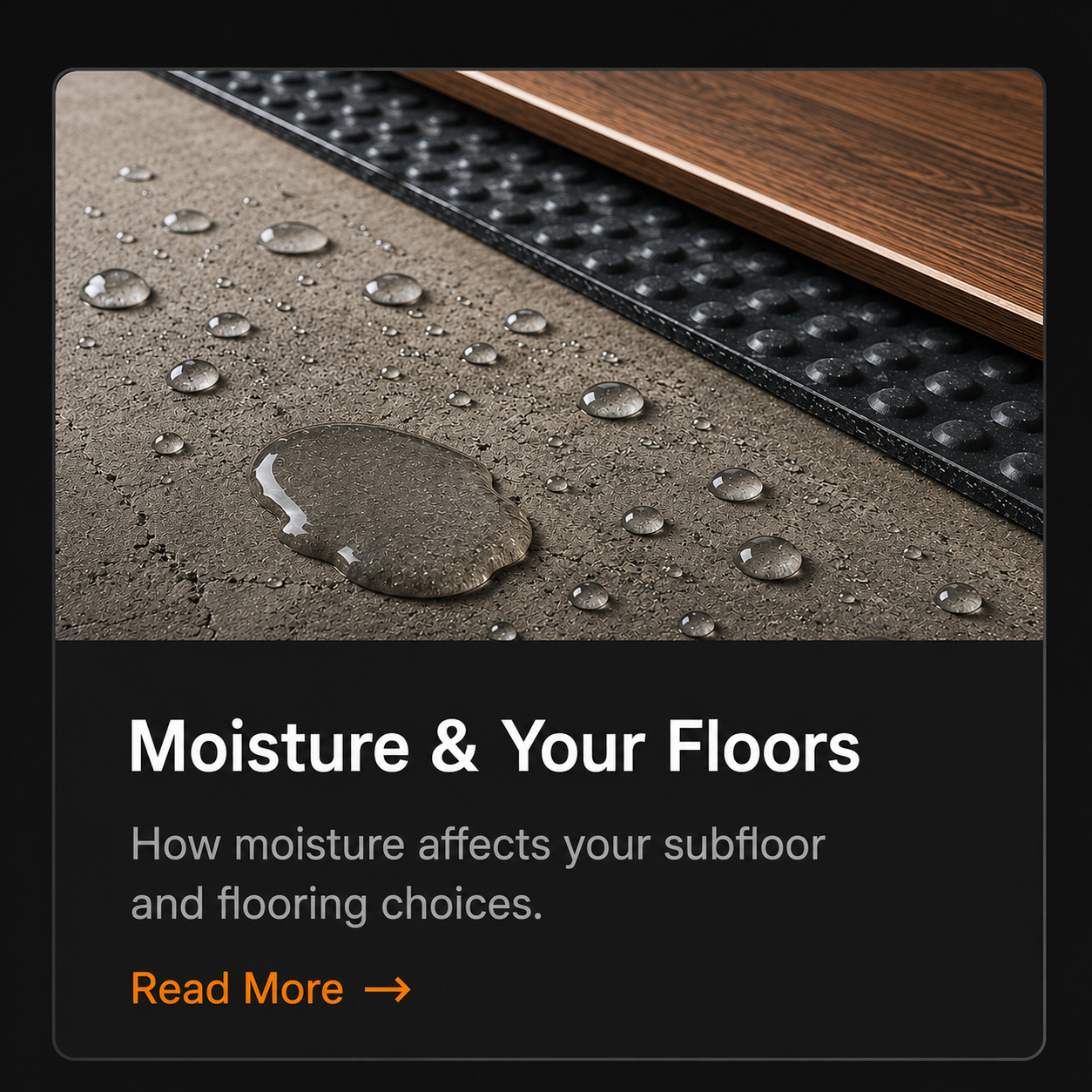
When installing over concrete, moisture protection is especially important. A quality underlay with an integrated vapor barrier helps prevent moisture from damaging your flooring and can extend its lifespan.
The bottom line: Always follow the flooring manufacturer's requirements—but don't choose the minimum just to save money. The right underlay is a small investment that can make a big difference in comfort, durability, and long-term performance.
-
There isn't a single "best" underlay for every installation. The right choice depends on the flooring manufacturer, the subfloor, and the conditions beneath it.
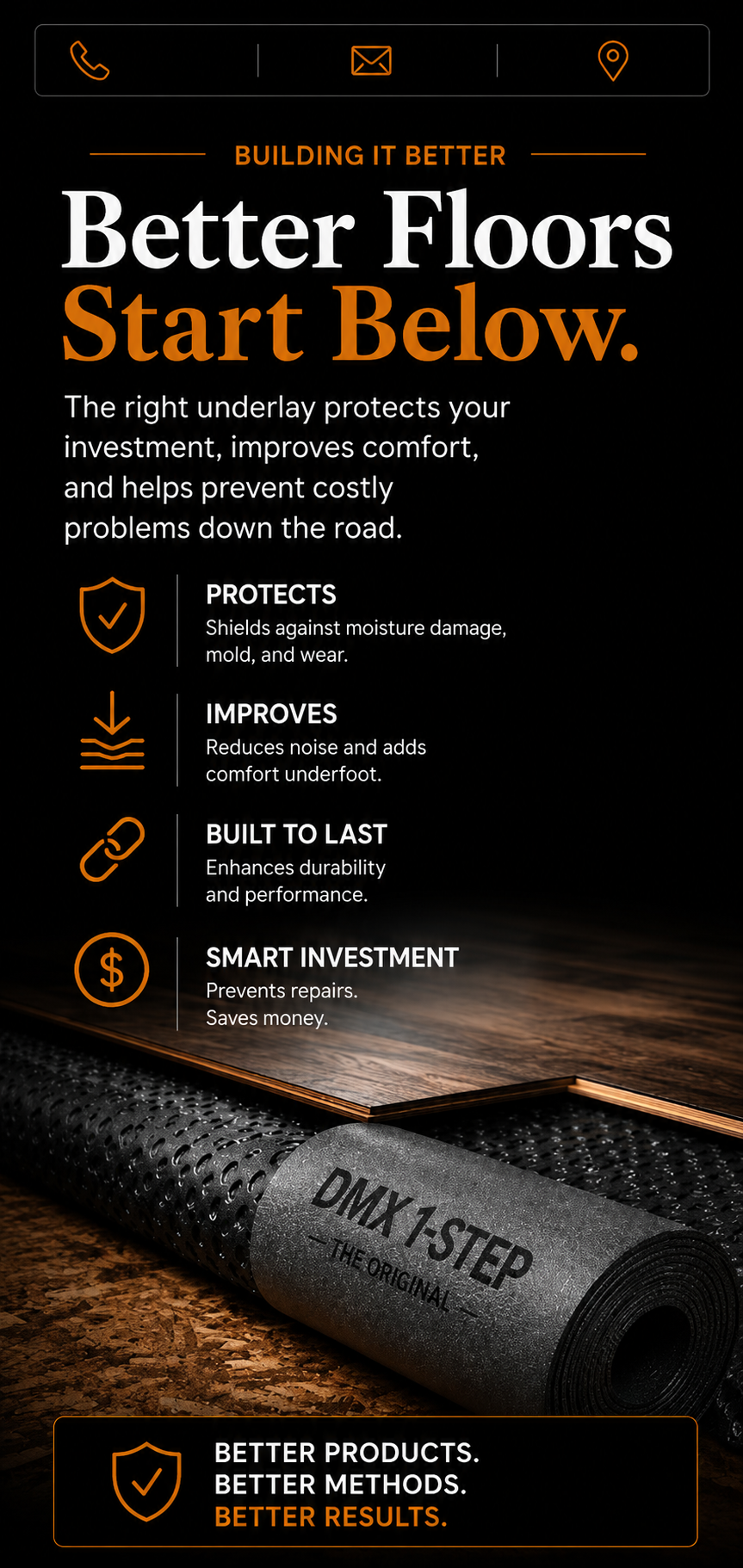
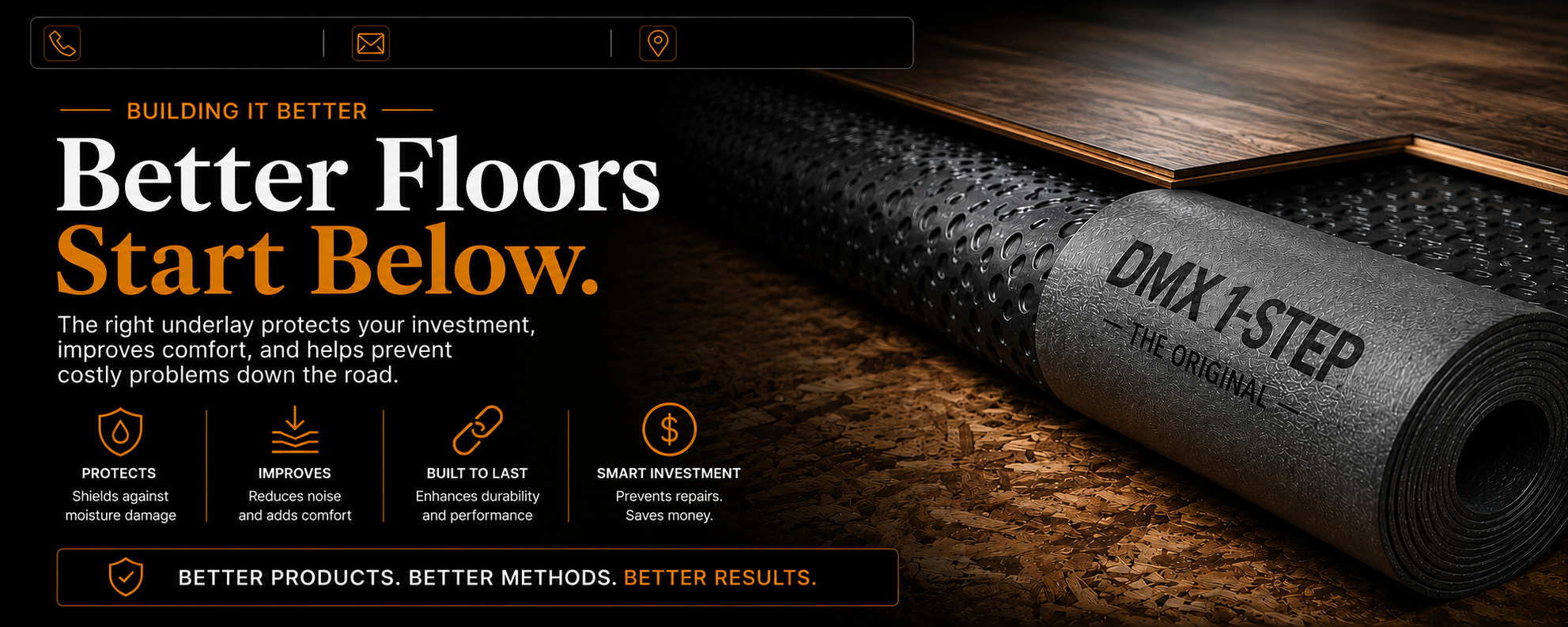
For installations over concrete, moisture management is critical. That's why we frequently recommend DMX 1-Step. Its dimpled air-gap design helps separate your flooring from the concrete below, allowing incidental moisture to dissipate while improving comfort underfoot and reducing sound transmission.
If your flooring already includes an attached pad, it's important to follow the manufacturer's recommendations. Adding the wrong underlay can create excessive movement, affect locking joints, or even void the warranty.
Our philosophy is simple: we recommend products based on proven performance—not marketing claims. That's why you'll often see us choose DMX 1-Step when the installation calls for long-term moisture protection, comfort, and durability.
-
No. Underlay is designed to improve moisture protection, comfort, sound reduction, and thermal performance—it is not intended to correct an uneven floor.
Small imperfections may be acceptable, but dips, humps, or high spots can prevent your flooring from locking together properly. Over time, this can lead to movement, squeaking, joint failure, or damaged planks.
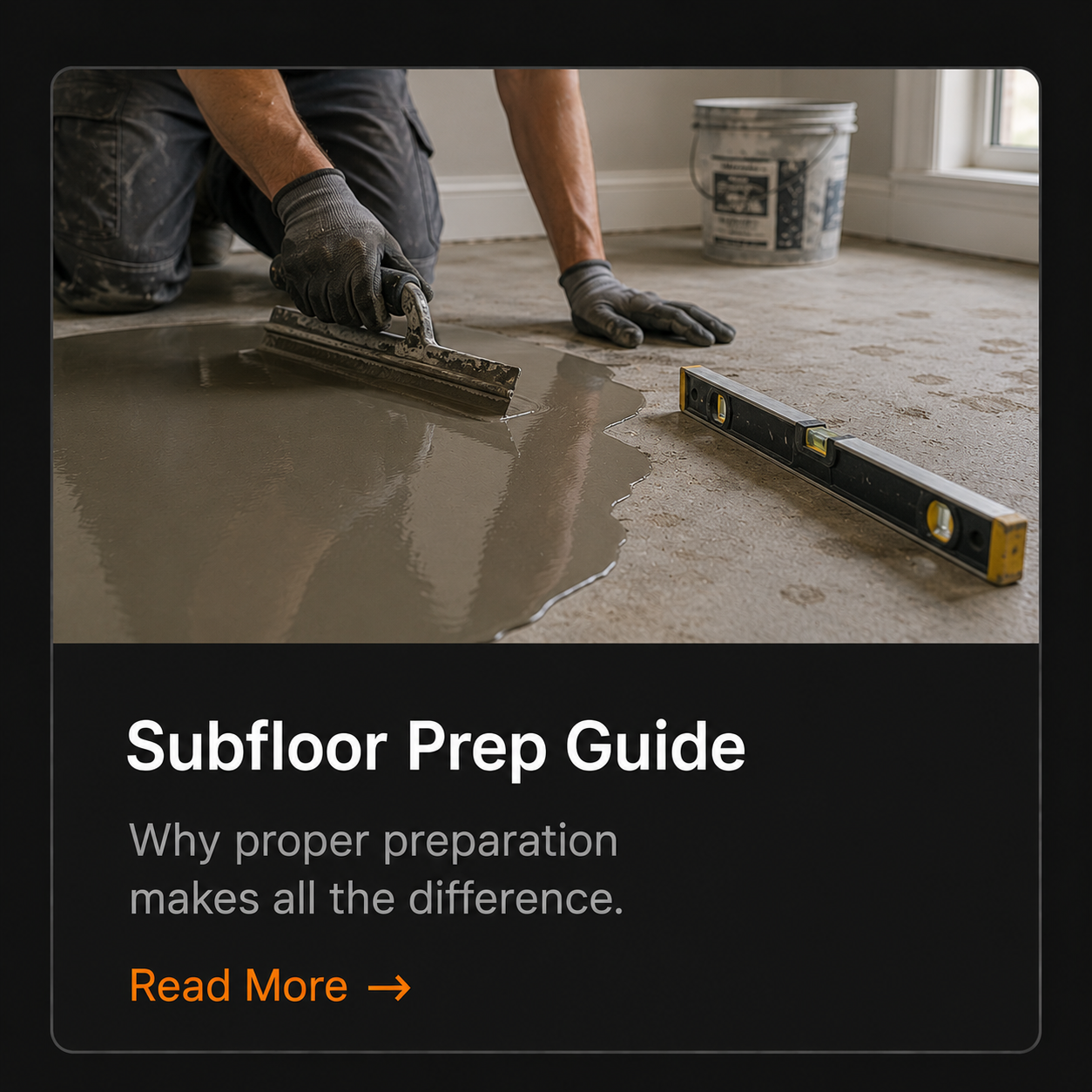
Before installing new flooring, the subfloor should be checked for flatness and corrected if necessary. Depending on the situation, this may involve sanding high spots, filling low areas with a floor leveling compound, or replacing damaged subfloor sections.
The bottom line: Underlay enhances a properly prepared floor—it doesn't replace proper subfloor preparation. A flat, solid subfloor is one of the most important factors in achieving a durable, long-lasting floor.
-
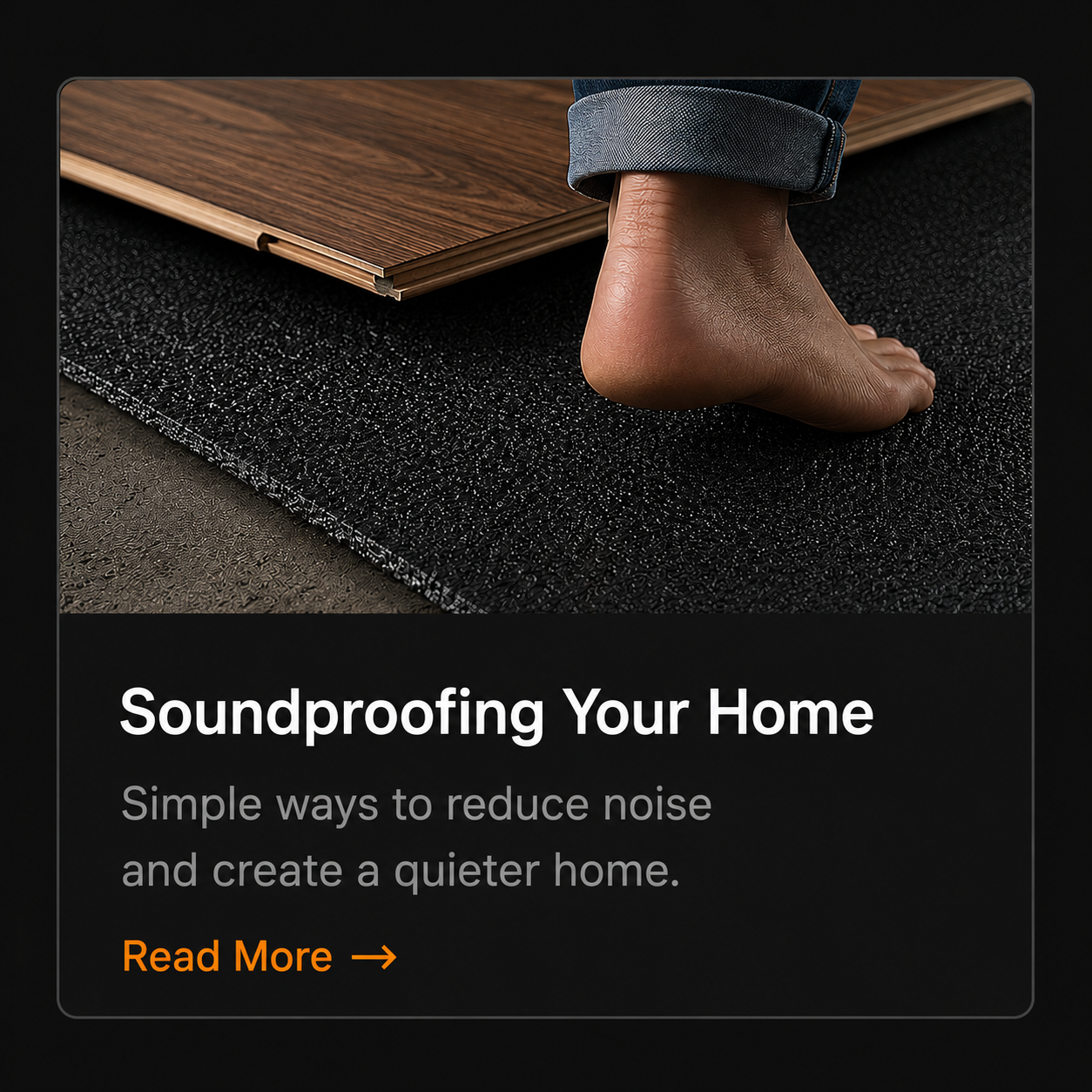
Yes. A quality underlay can significantly reduce both impact noise (such as footsteps) and airborne sound traveling between rooms or floors.
The amount of sound reduction depends on the type of flooring, the underlay you choose, and the overall floor assembly. Premium underlays are specifically engineered to absorb vibration and reduce sound transmission, creating a quieter, more comfortable living space.
While underlay won't completely soundproof a room, it can make a noticeable difference—especially in multi-level homes, condominiums, and basement living areas.
The bottom line: If noise reduction is important, choose an underlay that's designed for acoustic performance rather than simply the lowest price. The right product can improve both comfort and the overall feel of your home.
-
For basement floors, we believe the answer is yes.
At Peckham Professional Contracting, we recommend a moisture barrier beneath every basement flooring installation, regardless of the flooring type—with the exception of tile, which uses a different installation system.
Concrete continuously releases moisture vapor throughout its life. Even if a basement floor appears dry today, that can change with seasonal conditions. Without proper moisture protection, moisture can contribute to mold, mildew, damaged flooring, and premature failure.
For installations on upper floors or above-grade wood subfloors, the need for a moisture barrier depends on the flooring product, the subfloor, and the manufacturer's installation requirements.
The bottom line: In basements, we don't consider a moisture barrier optional—we consider it an essential part of a long-lasting flooring system. Above grade, we follow the requirements of the flooring manufacturer and the specific conditions of the installation.
-
Thicker isn't always better. The best underlay is the one that's designed for your specific flooring and installation.
Using an underlay that's too thick can allow excessive movement, putting stress on locking joints and potentially causing squeaks, joint failure, or even voiding the manufacturer's warranty.
For most luxury vinyl plank and laminate floors, it's important to use an underlay that meets the flooring manufacturer's recommended thickness and performance requirements.
The bottom line: Don't choose underlay based on thickness alone. Choose it based on compatibility, moisture protection, sound reduction, and long-term performance. The right product will support your flooring—not work against it.